

How to care for a guitar (20 essential tips)
1. Store in a case
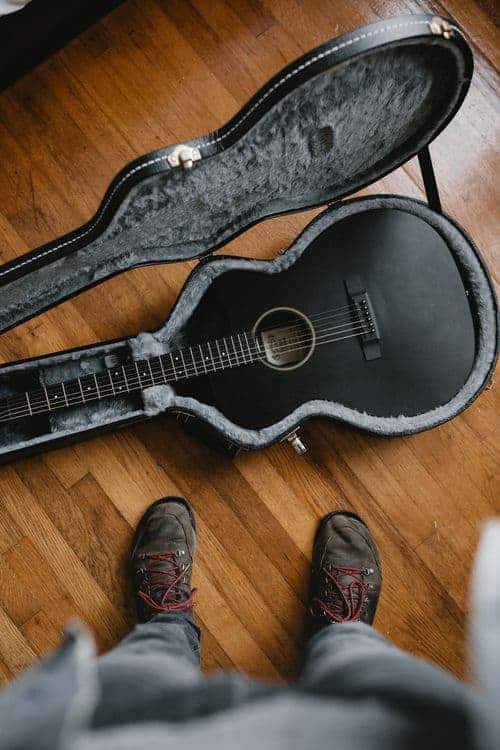 Storing your guitar on a stand may look cool but it won’t protect your guitar from scratches, dust, and sunlight. All of these things can take a toll on your guitar’s finish. Guitars are ideally stored in their case, standing up. If the standing position is not possible, store your guitar on its side.
Not all cases are equal and don’t get us started on guitar bags. Ensure that your guitar case fits your guitar perfectly and is quality enough to protect your guitar against a fall of about a metre at least. The added protection of a high-quality guitar case will help you keep your guitar in perfect condition for the long haul.
2. Rest on a stand
When practicing or gigging, make sure you have a guitar stand to rest your guitar on between plays. This will avoid the classic and dreaded mistake of leaning the guitar against the wall, only to hear a scraping sound followed one second later by a loud thud as the guitar falls on its side on the hard floor (ouch).
3. Avoid extreme temperatures
OK if you live in Alaska, don’t leave your guitar outside in winter. Or by the fire for that matter. Definitely try to avoid storing your guitar in extreme temperatures because excessive heat or excessive cold can damage the wood of your guitar.
4. Loosen strings for long-term storage
 When storing your guitar for an extended length of time, make sure to slightly loosen the strings in order to lessen the tension on its neck.
Too much or too little tension can cause bowing problems (and no one wants that).
5. Don’t remove all of the strings
If you need to clean the guitar or change the strings, only remove one or two strings at a time. The sudden change in tension caused by removing all the strings at once can damage your guitar.
6. Clean when changing strings
Replacing the strings = a perfect cleaning opportunity. Make it a point to clean the fretboard as well, by wiping it with a dry lint-free cloth or a used soft-bristled toothbrush.
7. Clean and polish
 Yes, a little elbow grease is required. Clean and polish your guitar regularly, with polishing solution designed specifically for guitar use.
If you want to avoid damaging the varnish, just stick to products that have been tailor-made for guitars. Trust us on this one.
8. Polish with a cloth
Important one here! Sure, you might think that more is better but in this case, less is more. Apply the polish on a cloth and not directly onto the guitar, otherwise you might oversaturate the surface. You can’t undo that.
9. Avoid scratches
Rhinestone Cowboy? You might need to rethink the wardrobe. Clothing or accessories that can scratch the back of your guitar should definitely be avoided. This includes studded shirts, shirts with large buttons and belt buckles. Pay attention to your strumming hand too, because some bracelets can easily scratch your guitar.
10. Use your guitar often
 Guitars are meant to be played—not displayed or stored. Using your guitar often and with care can actually extend its life.
Doubting this one? Think of it this way, if you’re playing your guitar frequently you’re more likely to notice when it needs to be cleaned, or if there are early signs of corrosion. Similarly, if your electric guitar starts to have issues with its electrical circuitry, you’ll pick it up early and nip it in the bud.
11. Position away from walls
As much as possible, store your guitar near the centre of your home and away from the outer walls. These walls are prone to extreme changes in temperature which can damage your guitar.
12. Direct sunlight is out
Guitars don’t need vitamin D. Avoid leaving your guitar in direct sunlight because it can cause damage and may crack the finish.
13. Not too wet or too dry
 Guitars are made of wood, and wood warps when there is either too little or too much water in the air.
If you live in a place where humidity is high, it’s a good idea to use desiccants or a dehumidifier. If its too hot and dry, you’ll need to use a humidifier.
14. Take action on cracks
If you see small cracks on the fingerboard, have a chat with your friendly local guitar professional because this could be a sign of humidity-related damage. In the meantime, you can prevent the progression of any cracks by applying a bit of mineral oil or linseed oil on the area.
15. Wipe the strings
Wipe the strings before and after you use the guitar, to keep them clean from dirt and grime.
16. Clean tuners
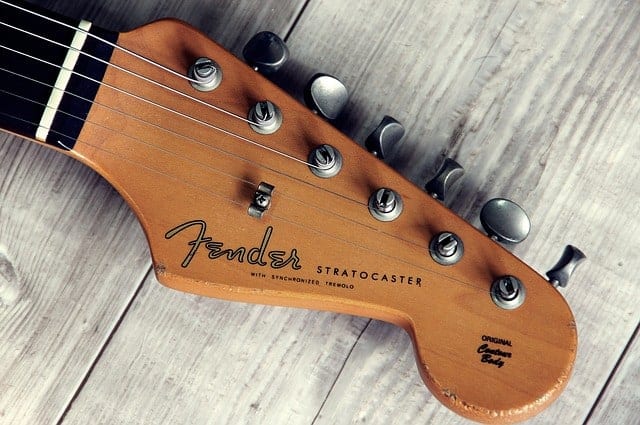 A small amount of glass cleaner applied to a cleaning cloth should be enough to clean and polish metal tuners.
Be sure to cast an eye on the tuners when you finish playing your guitar to see if it’s time for a quick clean.
17. Service your guitar
What? That’s right, just like cars, guitars need servicing too. For preventive maintenance, have a professional look over your guitar at least once a year to help you identify any possible damage. That way, you can make any necessary repairs before minor issues become problems.
18. No trunks or boots
Whatever you call that big storage space in the back of your car (‘trunk’ for Americans, ‘boot’ if you’re Australian), it’s off limits. Do not, under any circumstances, store your guitar inside the boot of your car. Temperature fluctuations can be extreme in car trunks and this can be very damaging to your guitar.
19. Travel with a hard case
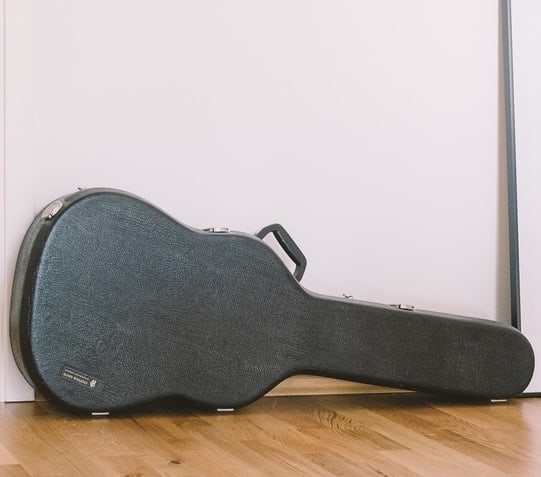 When you’re travelling, make sure you protect your guitar from bumps and scratches by using that hard, padded case that we mentioned earlier.
We once heard of a guitar literally falling off the back of a truck and bouncing down the road in a very high-end case… and emerging totally unscathed.
20. Salt corrodes
Playing a few tunes as you watch the sun go down over the ocean has to be one of life’s great pleasures. But if you live near the coast, you must be aware of the corroding effect of the salt air on the metal components of your guitar. To prevent corrosion, store your guitar in a hard case and avoid exposure to the air as much as possible.
Final thoughts on how to care for a guitar
Learning all about guitar maintenance may not be the most fun you’ve ever had, but it’s an essential part of owning a musical instrument.
Basically, it all comes down to responsibility. If you really want to play well, you not only have to master the discipline to practise, you also need to look after your guitar. If you’re putting in a lot of effort to be the best you can be, you also want your musical instrument to give you the best sound possible.
Do you have any other suggestions on how to care for a guitar? Leave us a comment, we’d love to hear from you!